
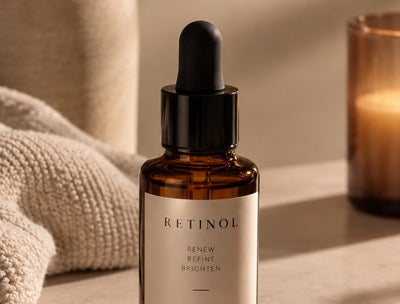

If you quietly dropped retinol from your routine somewhere around June, you're not alone — and autumn, as the air cools and the "back to routine" feeling sets in, is when most people start thinking about picking it back up. The honest answer to when you should restart is: sooner than the common advice suggests, and possibly without ever having needed to stop in the first place.
That's not a typo. The received wisdom that retinol and summer simply don't mix is being pushed back on by dermatologists and aesthetic doctors, and it's worth understanding why before you decide how to restart.
Did you actually need to stop using retinol this summer?
The standard advice for years has been to pause retinol over summer because it increases sun sensitivity. That's true as far as it goes, but it's led a lot of people to draw the wrong conclusion: that retinol itself causes sun damage.
Dr Ahmed El Muntasar, a GP and aesthetician at The Aesthetics Doctor, has pushed back on this directly: "Retinol doesn't cause sun damage. UV exposure causes sun damage." His view, reported in Ideal Magazine, is that stopping retinol for months at a time interrupts the gradual progress it's designed to deliver, and that the better approach for most people is to keep using it, manage the sensitivity it brings with proper SPF, and simply scale back frequency around periods of heavy sun exposure, a beach holiday, say, rather than dropping it for the whole season.
He's not alone in that view. Dr Clare Kiely, a consultant dermatologist and founder of The Skin Diary, makes a related point in The Tweakments Guide: retinoids are more accurately described as photolabile (they break down in sunlight) rather than photosensitising in the way that term is often used, meaning they don't inherently raise your burn risk the way some sun-reactive medications do. The genuine caution, both doctors agree, is that retinol thins and sensitises the skin's surface, which is a different thing from retinol causing damage on contact with the sun.
That's a genuinely useful reframe if you're the kind of person who abandons a routine every May and has to start again from scratch every September. It doesn't mean summer retinol use needs no care at all, the sensitivity point below still matters, but it does mean the choice isn't simply "stop or risk damage."
Paused completely anyway? None of that effort was wasted. It just means your restart should be more gradual than if you'd kept a lighter routine going, which is what the rest of this guide covers.
Why retinol needs extra care around sunlight
Retinol works by speeding up cell turnover, which is what delivers its smoothing and renewing effects over time. That faster turnover can temporarily thin the outer layer of skin, making it more reactive to UV exposure while you're using it. Retinol is also broken down by sunlight itself, which is one of the reasons it's applied at night rather than folded into a morning routine.
Put together, that's why retinol and daily SPF function as a package deal rather than two separate decisions, whatever the season. The IMAGE Skincare Daily Prevention Sheer Matte Moisturizer SPF30 folds broad-spectrum protection into your morning moisturiser step, so it's one habit rather than an extra one to remember, or browse allbeauty's wider daily SPF moisturiser range if you'd rather compare formulas first.
When's the right time to restart?
There isn't a single calendar date that suits everyone, but two situations call for slightly different approaches.
Kept some retinol going through summer, even inconsistently? You likely don't need a cautious reintroduction, just a return to consistency, with SPF as the non-negotiable partner step.
Stopped completely for two months or more? It's worth treating this as a genuine restart rather than picking up at your old frequency and strength. Skin that's had a break, particularly one that also involved more sun exposure, swimming or heat than usual, can react more strongly than it did before you paused.
Autumn works well as a restart point less because of any strict rule and more because UV intensity is dropping and most people's routines are settling back into a predictable daily pattern, which makes it easier to build the consistency retinol rewards.
How to reintroduce retinol without irritation
- Start low and slow, at night. Two to three nights a week is a sensible starting frequency if you've had a break, even if you were using it nightly before.
- Apply to completely dry skin. Retinol on damp skin absorbs faster and can increase irritation, so wait until skin is fully dry after cleansing.
- Use a pea-sized amount. More product doesn't speed up results; it increases the likelihood of redness and flaking.
- Follow with a proper moisturiser. This helps offset the dryness retinol can cause while your skin readjusts.
- Never skip morning SPF. This is the step that makes everything else safe to do. A broad-spectrum SPF, applied every morning regardless of the weather, isn't optional alongside retinol.
- Build up gradually. Once your skin tolerates your starting frequency comfortably, no persistent redness, tightness or flaking, you can increase towards nightly use over several weeks.
- Watch for signs to pull back, not push through. Persistent irritation is a signal to reduce frequency or strength, not a phase to force your way past. Irritation that doesn't settle, or a diagnosed skin condition, is a reason to check with a pharmacist or dermatologist rather than push on regardless.
Choosing the right strength and format for you

Restarting retinol isn't only about frequency; the product itself matters, and "one strength for everyone" isn't good advice. allbeauty's retinol range spans several formats and strengths, which makes it easier to match the product to where you actually are, rather than defaulting to whatever's most talked about.
New to retinol, or restarting after a full pause? A lower concentration gives your skin room to adjust without overwhelming it. The COSRX The Retinol 0.3% Cream is a sensible starting point from the same trusted brand — it sits comfortably below the 0.5% formula further down this list, and suits a cautious two-to-three-night-a-week restart, though if your skin is especially reactive it's worth knowing this isn't the very gentlest strength on the market.
Kept a lighter routine going and want an easy nightly habit? A daily-use formula removes some of the guesswork around frequency. Murad's Resurgence: Retinol Youth Renewal Serum is built for regular use as part of a nightly routine.
Already built up tolerance and want a more concentrated formula? Obagi Obagi360 Retinol 0.5 Cream 30ml is a higher-strength option better suited to skin that's already adjusted, rather than a starting point.
Eye area your main concern? The skin here is thinner and often more reactive, so a dedicated formula such as Beauty Of Joseon Revive Eye Serum with Ginseng & Retinol 30ml is worth considering separately from a facial serum, alongside Harry Styles favourite eye patches 111SKIN Intensive Celestial Black Diamond Eye Mask 8x6ml
Prefer not to measure anything out? Pre-portioned capsules take the guesswork out of dosing. Elizabeth Arden Retinol + HPR Ceramide Capsules, 60-capsule pack pair retinol with ceramides in a single-use format, which also helps offset dryness as you reintroduce it.
Whichever you choose, the same restart principles apply: frequency before strength, consistency before either.
Common mistakes when restarting retinol
Going back in at your old frequency. If you paused for months, your skin's tolerance has likely reset too, even if your memory of "I used this nightly" hasn't.
Mixing it with other strong actives straight away. Combining retinol with exfoliating acids or vitamin C in the same routine while you're reintroducing it increases the risk of irritation. Space them out or alternate nights until your skin has settled.
Treating SPF as a summer-only step. As covered above, this is the piece that makes retinol safe to use at all, in any season.
Judging results too quickly. Retinol is a slow-acting ingredient. Visible changes typically take several weeks of consistent use rather than days, so early impatience is one of the most common reasons people abandon it before it's had a chance to work.
Building your routine at allbeauty
Retinol is rarely the only thing worth adjusting as the seasons turn. Explore allbeauty's retinol collection to find the formula that suits where you are in your retinol journey, and pair it with a daily SPF moisturiser so the two steps work together rather than one undoing the other.
Sensitive, reactive or medically treated skin is best assessed by a pharmacist, GP or dermatologist, who can advise on what's suitable for you specifically.
Behind every product on this list is a buying team whose job is to go and find it: tracking down the skincare brands and formulations worth stocking, from established dermatological names to newer arrivals, and working to bring them to you at a genuinely competitive price, because we know the savings matter. It's the same approach across everything allbeauty stocks, from fragrance to haircare, so once your retinol routine is sorted, it's worth seeing what else is waiting for you.
Find the formula that suits you — and explore the wider range at allbeauty.
FAQS
Do I really need to stop using retinol in summer? Not necessarily. Retinol itself doesn't cause sun damage, UV exposure does, but retinol does make skin more reactive to it. Several UK dermatologists now recommend continuing retinol through summer with consistent SPF rather than stopping altogether, adjusting frequency around periods of heavy sun exposure instead.
How long should I wait before restarting retinol after a break? There's no fixed waiting period. If you paused for a couple of months or more, treat it as a fresh start: begin at two to three nights a week and build up gradually rather than resuming at your previous frequency.
What strength of retinol should I start with? If you're new to retinol or restarting after a full pause, a lower concentration is the safer starting point, moving to a stronger formula only once your skin has built tolerance. Previously used retinol regularly without irritation? You may be able to return closer to your old strength, but it's still worth easing in over a couple of weeks.
Can I use retinol every night straight away? It's not recommended, particularly if you've had a break. Starting at two to three nights a week and increasing gradually as your skin adjusts reduces the risk of redness, dryness and flaking.
How long until I see results from retinol? Retinol is a gradual ingredient. Most people need several weeks of consistent use before noticing a visible difference in texture or tone, and it can take longer still for more established concerns. Consistency matters more than concentration here, which is part of why starting at a frequency you'll actually stick to is worth more than starting at the highest strength you can find.
Is retinol safe to use during pregnancy or breastfeeding? Retinoids are generally advised against during pregnancy and breastfeeding. If this applies to you, speak to your GP, pharmacist or midwife before using retinol or restarting it.
Do I need to wear SPF every day if I use retinol? Yes. Retinol makes skin more reactive to UV, so daily broad-spectrum SPF isn't optional alongside it, whether you're using retinol in summer, autumn or any other season.

